
Blog
Paintless Dent Repair Tools: Whale Tails
June 3, 2026
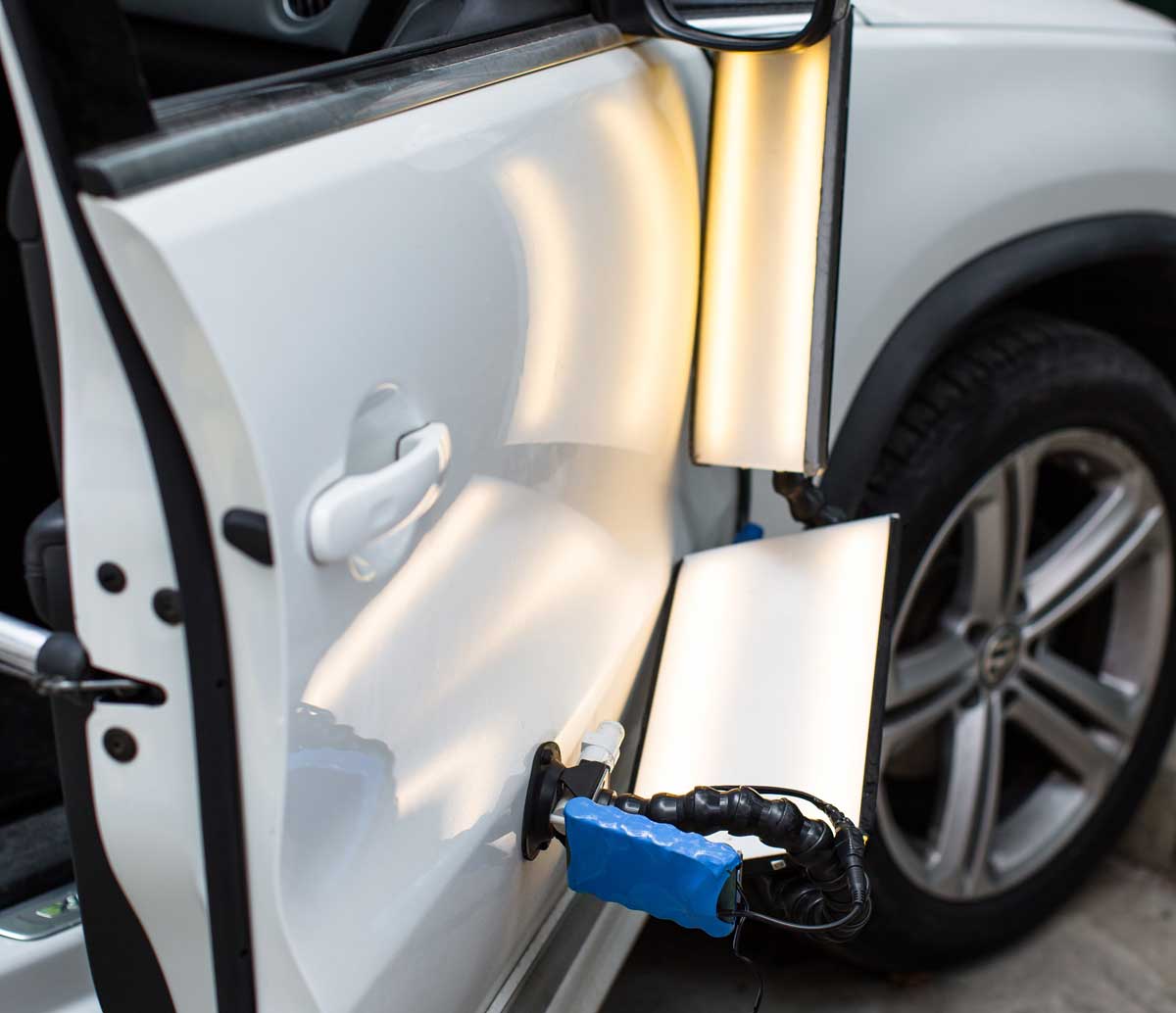
Welcome back to our “Paintless Dent Repair 101” series! In our last post, we showed you how the PDR glue pulling tabs help a technician pull hail dents outward until the metal returns to its original shape. Now, we’re diving into one of the most fundamental and universal hail dent removal tools of the trade: whale tails.
Why Is This PDR Tool Called a Whale Tail?
In paintless dent repair (PDR), “whale tails” are a specific type of PDR rod distinguished by their unique working end, which resembles the broad, flat tail of a whale. They are incredibly versatile and are used for several key tasks.
In essence, whale tails are the PDR technician’s go-to tool for broad, gentle pushing and meticulous finishing. They provide a way to smooth, blend, and evenly distribute pressure across larger surface areas, resulting in a more seamless and undetectable repair.
Why Is the Whale Tail Such a Fundamental Tool?
The whale tail’s ability to combine leverage and precision while reaching difficult areas makes it an essential tool for PDR technicians tackling the specific challenges of hail damage.
Key Features and Benefits of the Whale Tail
- Accessibility: The long, thin profile allows the tool to be inserted into narrow openings and reach dents on the interior side of a car panel, roof, hood, and trunk lid. This is crucial for hail damage in DFW, which often affects large areas and multiple panels.
- Leverage and precision: The flat, broad tip provides a wide surface area to apply gentle, consistent pressure to the dent. This allows the technician to massage the metal back into its original shape without creating high spots or damaging the paint. The design also allows for different angles of approach, providing the necessary leverage to work on various types of dents.
- Versatility: Whale tails come in a variety of lengths, thicknesses, and tip widths. A technician can select a specific whale tail to suit the size and location of a dent, from small hail dings to larger, more complex depressions.
- Efficiency: Using a whale tail tool for PDR is significantly faster and more cost-effective than traditional bodywork methods that involve sanding, body filler, and repainting. This efficiency is especially important when dealing with widespread hail damage.
Want to See the Whale Tail in Action?
Do you live in the DFW area and want to see the whale tail in action? Stop by our shops in Lewisville or Addison and watch our expert PDR technicians at work. Better yet, if you have auto hail damage, we’ll give you a free, no-obligation demo on your car right now — the perfect way to see the magic of PDR for yourself.
Stay tuned for our next post, where we will explore another essential tool in the PDR toolbox!
Dallas–Fort Worth Hail Damage Repair
Facing hail damage on your vehicle can be stressful, but you don’t have to navigate the repair process alone. MetalWorks Auto Hail Solutions is here to help restore your car to its pre-damaged condition with expert care and precision. If your vehicle has been affected by a recent hailstorm in the Dallas–Fort Worth area, don’t wait — schedule a free, no-obligation inspection and learn how our auto hail repair services can make your car look new again. Let us take the hassle out of your hail damage repair, so you can get back on the road with confidence.
Hail damage? Get your damage assessment.
No-obligation damage assessment, complimentary pickup & delivery, and we handle the insurance — start to finish.